
Thorough hand sanitization is one of the most effective ways to prevent the spread of germs, bacteria, and viruses. Especially during periods of increased infection risk, such as during flu season, using the correct technique is crucial. Simply applying sanitizer to your hands is not enough. Only by correctly following the six steps of hand sanitization can you achieve reliable results.
Our hands come into contact with countless surfaces every day. In the process, microorganisms accumulate on them, which we unknowingly spread. This is true everywhere—whether in the office, in medical facilities, or during leisure activities.
Proper hand sanitization:
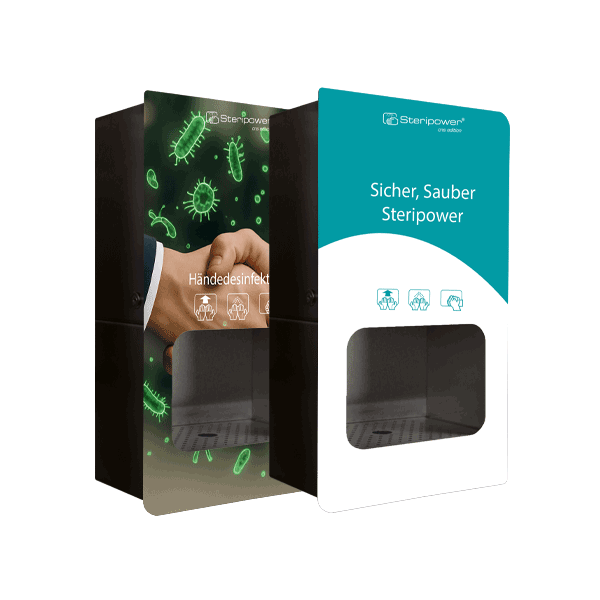
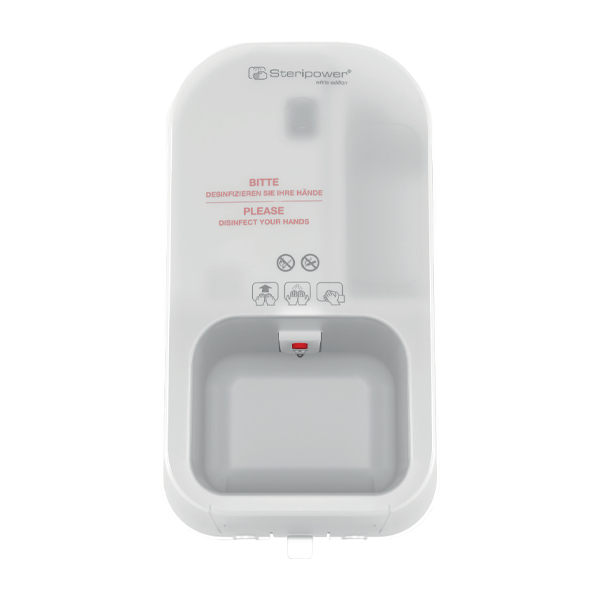
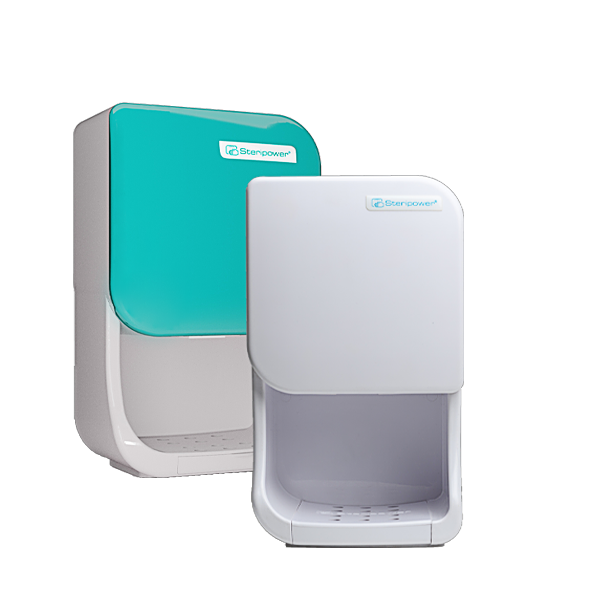
Especially in high-traffic areas, touchless sanitizer dispensers—such as those from Steripower—offer a hygienic and safe solution for preventing cross-contamination.
To ensure that the disinfectant is fully effective, all areas of the hands should be thoroughly covered. The following method has proven effective in practice:
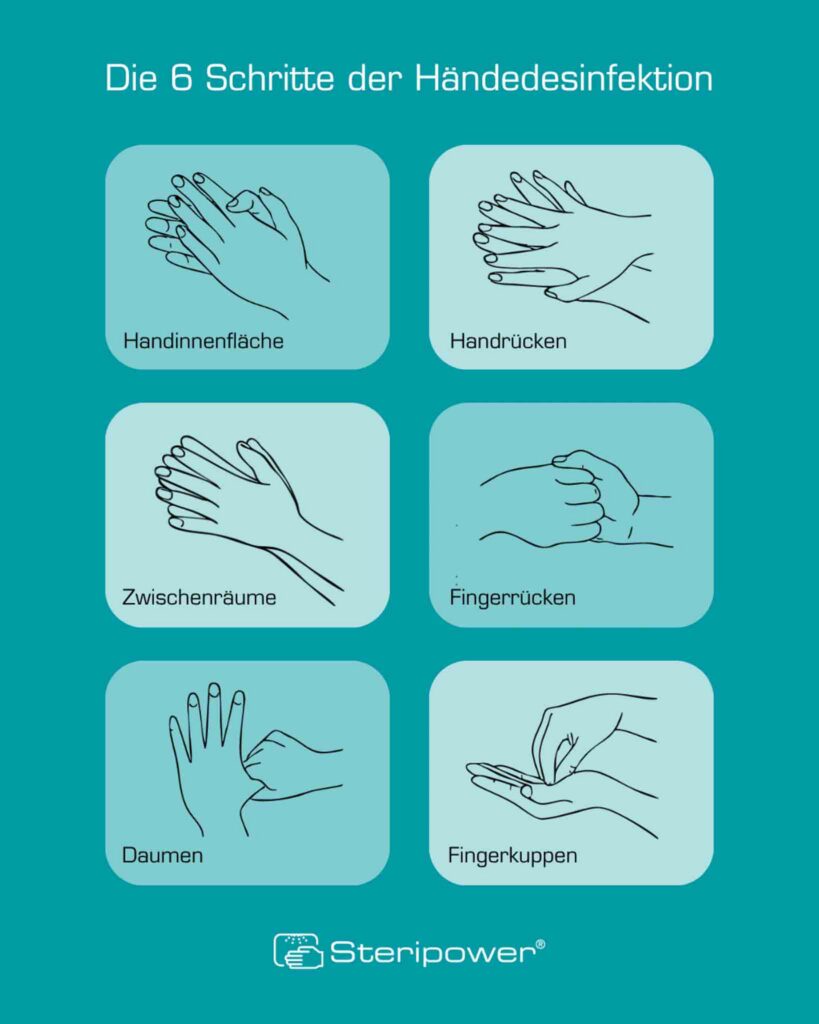
👉 Important: The entire process should take at least 30 seconds, until your hands are completely dry.
For hygienic hand disinfection, at least 3 ml is recommended (approx. 1.5 ml per hand), while for surgical hand disinfection, at least 5 ml (approx. 2.5 ml per hand) is required. It is important that the hands remain completely wet throughout the entire contact time. With Steripower’s disinfectant dispensers, the dispensing volume can be flexibly adjusted—individually adjustable from 0.5 to 5.0 ml in precise 0.5-ml increments. This ensures the optimal dosage is always achieved, depending on the application.
Hand sanitizing is particularly important:
In businesses, hospitals, restaurants, and recreational facilities in particular, it is important to make hand hygiene as easy as possible. Automatic sensor-activated hand sanitizer dispensers ensure that users can obtain sanitizer intuitively without touching the device. This not only lowers the barrier to use but also improves overall hygiene in the environment.
Steripower does not offer off-the-shelf solutions—only those tailored to your specific application. Whether it’s discreetly integrated disinfectant dispensers with custom designs that blend harmoniously into any environment, or deliberately eye-catching, vibrant models that immediately grab attention and encourage use: We offer the right solution for every need. This way, you combine maximum hygiene with thoughtful design and set just the right accents your environment needs.
We’d be happy to advise you on how our solutions, with their customizable design options, can be seamlessly integrated into your facility. Please email us at info@steripower.de or give us a call.
Phone.: +49 8151 555 15 16
The six steps of hand sanitization are easy to follow but extremely effective. By following them regularly and correctly, you make an important contribution to your own health and to protecting others.
👉 Tip: Make sure there are plenty of hand sanitizing stations available—ideally with touchless dispensers that allow for hygienic and convenient use.
WHO: The evidence for clean hands
https://www.who.int/teams/integrated-health-services/infection-prevention-control/hand-hygiene
Study (2022): Comparing the effectiveness of hand hygiene techniques